For other uses, see TRAVEL(disambiguation).”Travelling” redirects here. For other uses, see TRAVEL(disambiguation).

A statue dedicated to the traveler in oviedo, Spain
Travel is the movement of people between distant geographical location. Travel can be done by foot,bicycle,automobile,train,boat,bus,airplane,ship, or other means, with or without luggage, and can be one way or round trip.Travel can also include relatively short stays between successive movements.
10 Wonderful Benefits of Traveling
- Improves Social and Communication Skills. …
- Ensures Peace of Mind. …
- Helps You Get Original and Creative Thoughts. …
- Broadens Your Horizons. …
- Enhances Your Tolerance for Uncertainty. …
- Boosts Up your Confidence. …
- Gets You Real-life Education. …
- Creates Memories for Lifetime….
By Emily Holland,

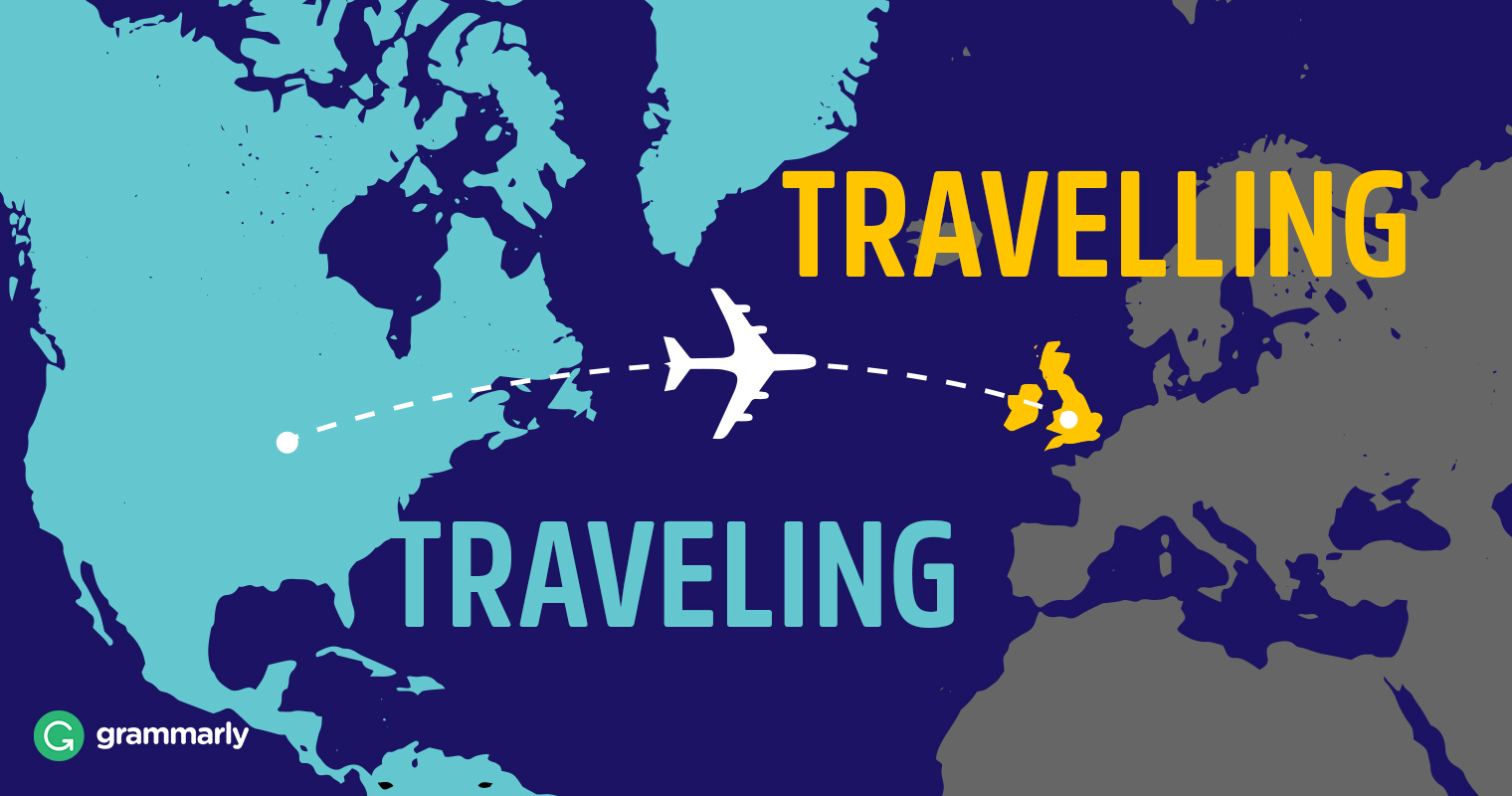
Traveling vs. Travelling
The word travel has more than one syllable—it’s a multisyllabic word. In American English, when a multisyllabic word ends in a vowel and a consonant (in that order), you double the consonant when adding a suffix only if the stress falls on the final syllable. For instance, in the word repel, the stress falls on the final syllable, which means that you double the consonant when you add a suffix: repelling. But in travel, the stress falls on the first syllable, so there’s no doubling.
 Site Title